

REANIMAL
Advertisement
Reanimal is built around a progression model that combines exploration, stealth, and environmental problem solving. The gameplay takes place across interconnected locations where movement and interaction drive advancement. Players navigate through structured areas that present obstacles, hazards, and scripted encounters. The design avoids complex interface systems, relying instead on environmental cues and contextual interactions.
Advertisement








Similiar games

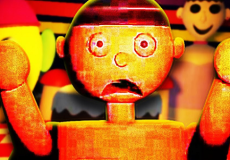

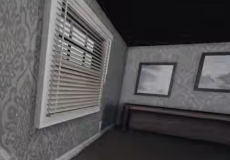
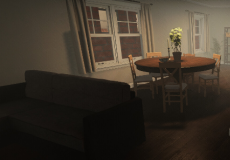
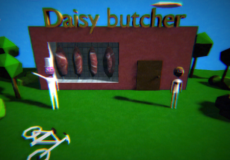
Reanimal is built around a progression model that combines exploration, stealth, and environmental problem solving. The gameplay takes place across interconnected locations where movement and interaction drive advancement. Players navigate through structured areas that present obstacles, hazards, and scripted encounters. The design avoids complex interface systems, relying instead on environmental cues and contextual interactions.
Movement And Traversal Mechanics
Traversal plays a central role in the gameplay loop. Players guide the sibling characters through varied environments that include narrow passages, vertical navigation sections, and hazard-filled routes. Movement mechanics emphasize positioning and timing. Many sequences require players to adjust speed, use cover, or coordinate actions to bypass threats. Environmental layout directly influences how players approach navigation challenges.
Core traversal elements include:
· Navigation through confined and open spaces
· Climbing and vertical movement sequences
· Obstacle avoidance
· Contextual movement interactions
· Cooperative traversal segments
These mechanics define how players engage with the world.
Stealth And Threat Avoidance
Stealth functions as a primary survival system. Instead of direct combat, players frequently rely on avoidance strategies. Encounters involve monitoring enemy behavior, maintaining distance, and using environmental cover. Threats react to player movement, visibility, and sound cues. Successful progression depends on situational awareness and controlled actions rather than aggressive mechanics.
Stealth gameplay typically involves observing patrol patterns, identifying safe routes, and executing movement at appropriate moments. This structure reinforces pacing and tension through decision-making rather than mechanical complexity.
Environmental Puzzle Design
Puzzle sequences are integrated into exploration and traversal. Players interact with objects, manipulate environmental elements, and interpret spatial relationships to unlock progression paths. Challenges are presented as situational tasks rather than isolated puzzle screens. Solutions often require coordination between characters, careful observation, and logical sequencing of actions.
Environmental puzzles support gameplay flow by creating natural pauses between traversal and stealth segments. They also function as guidance mechanisms, directing players through level layouts.
Cooperative Gameplay Dynamics
Reanimal supports cooperative play, allowing two players to control the sibling characters simultaneously. Cooperative mechanics influence traversal, puzzle solving, and threat management. Certain obstacles require synchronized actions, shared positioning, or coordinated movement. This design encourages communication and strategic planning.
In solo mode, AI controls the secondary character while preserving the same gameplay structure. Cooperative and solo experiences maintain consistent mechanics and progression systems.
Gameplay Focus And Experience
Reanimal emphasizes movement, awareness, and interaction. The gameplay loop cycles between exploration, stealth navigation, and environmental challenges. By limiting combat mechanics and complex systems, the design prioritizes clarity, pacing, and situational decision-making. The resulting experience is defined by structured traversal, threat avoidance, and context-driven interaction.
Discuss REANIMAL
