

Don’t Eat the Cashier
Advertisement
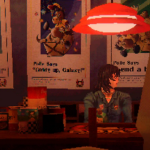
Don’t Eat the Cashier is a visual novel built around dialogue, branching choices, and character interaction during a night shift at a gas station. The player takes the role of a cashier serving customers who are not human. The core objective is to complete the shift while making decisions that influence relationships and outcomes. The structure is linear in progression but branches through choices that affect both dialogue and endings.
Advertisement









Similiar games









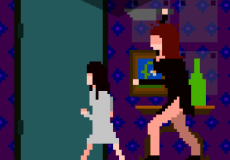
Don’t Eat the Cashier is a visual novel built around dialogue, branching choices, and character interaction during a night shift at a gas station. The player takes the role of a cashier serving customers who are not human. The core objective is to complete the shift while making decisions that influence relationships and outcomes. The structure is linear in progression but branches through choices that affect both dialogue and endings.
Dialogue as the Main Mechanic
The gameplay is based almost entirely on conversations. Each interaction presents multiple dialogue options that shape how characters respond. The player must interpret tone and context to select appropriate responses. There is no movement system beyond navigating scenes, and no real-time mechanics. Progress depends on reading, choosing, and observing consequences. Characters react to consistency in behavior, meaning earlier decisions can influence later outcomes.
Characters and Interaction Structure
The game introduces several monster characters, each with distinct personalities and behavior patterns. Interactions vary depending on how the player approaches each character, allowing for different relationship paths. Some encounters are neutral, while others involve tension or cooperation. The structure encourages repeated playthroughs to explore different responses and outcomes. The setting remains fixed, but character interactions provide variation.
The gameplay includes several defining elements:
- Branching dialogue choices affecting outcomes
- Multiple characters with unique interaction paths
- Several endings based on decisions
- Character customization options
- Single-location structure during one shift
These systems determine how the player progresses through each interaction and how outcomes are formed based on decisions.
Multiple Endings and Replayability
The game includes multiple endings that depend on how the player handles conversations and relationships. Outcomes range from neutral conclusions to more extreme scenarios. Each decision contributes to a final result, and some endings require specific dialogue paths. This encourages replay, as different choices reveal alternative interactions and story variations.
Session Flow and Structure
Don’t Eat the Cashier is structured as a single-session experience focused on narrative progression. There are no upgrades, levels, or resource systems. The gameplay loop consists of reading dialogue, making choices, and observing consequences. Replayability comes from exploring different outcomes and understanding how decisions affect each character and ending.
Discuss Don’t Eat the Cashier
