

The Choicer Voicer
Advertisement
A short recorded phrase can become a complete competitive round in The Choicer Voicer, where players study its sound and attempt to reproduce it through a microphone. The result is presented inside a virtual game show with a host, contestants, five judges, score displays, and reactions connected to different outcomes.
Advertisement








Similiar games




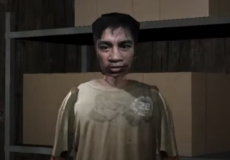


The game does not follow a traditional narrative campaign. There are no explorable areas, dialogue branches, enemies, or objectives leading toward an ending. Every session is assembled as a separate show, and the chosen voice pack supplies the recordings that contestants must imitate. Players can concentrate on earning judge votes, competing with friends, involving a Twitch audience, or replacing dialogue in a video.
Treating Speech as a Pattern
A voice prompt can be a complete sentence, a quick reaction, a shout, a nonverbal noise, or a line associated with a particular character. Players hear the sample before recording their own version. Captions may clarify the words, while an attached image can show the original speaker or provide context for the performance.
The challenge comes from reproducing more than the text. The game examines recorded audio information, so two readings of the same sentence can produce different results when their timing and waveform shapes do not match.
Players should listen for:
- The exact duration of the sample
- The position of pauses and breaths
- Changes in speed between words
- Loud and quiet sections
- The moment when the voice begins
- The sound used to finish the line
A player may understand every word but begin too late, stretch a short pause, or speak at a constant volume when the original rises sharply. These differences can affect the evaluation. The complete scoring formula remains hidden, which encourages contestants to learn through repeated performances rather than optimize a visible set of technical values.
Preparing the Game Show
Before recording begins, the player chooses the content and appearance of the session. Voice packs determine the available prompts, while other pack types replace the characters and studio. A show can use several components based on one subject or combine separate themes.
The setup can include:
- A voice pack containing the audio challenges
- One or more contestant characters
- A panel of five judges
- A host with custom dialogue
- A studio with selected music and visuals
- The number of rounds required to finish
Local multiplayer supports up to four contestants. The players do not perform simultaneously; each participant receives a separate turn, records an imitation, and watches the judges announce a score. The game tracks the results until the final round and then compares the totals.
Timing lights prepare the active contestant before every recording. Several audible cues lead toward a final silent signal that corresponds with the start of the original clip. Speaking too early may place part of the attempt outside the intended timing, while hesitation can cut off the ending.
From Zero Votes to an Absolute Match
The panel contains five judges, and each positive vote normally adds one point. A performance can therefore receive any standard score from zero to five. The game also includes a rare 6/5 result called an Absolute Match, which can activate a separate visual and host response.
Judge packs determine how this process looks and sounds. Every panel member can have an individual name, image, voting voice, and success screen. Score blips play as points are revealed, although they can be muted when a custom panel is intended to rely only on spoken reactions.
Contestants can also respond to the evaluation. Their packs support nine audio events: introduction, victory, defeat, and separate reactions for every ordinary score between zero and five. A character might complain after receiving no votes, give a neutral response to three points, and celebrate after full panel approval.
These reactions do not modify the calculation. They provide context for the score and make repeated attempts feel like parts of an ongoing broadcast rather than isolated microphone tests.
Different Uses for the Same Voice Mechanic
The Choicer Voicer applies its listen-and-repeat structure to several session types. Some modes are designed around competition, while others use recorded dialogue to produce a complete scene.
The main formats are:
- Standard solo shows evaluated by computer-controlled judges
- Local matches for as many as four contestants
- Twitch panelist sessions using chat-based votes
- Dub Mode with individual recordings for each line
- Freestyle Dub Mode performed while a video continues playing
- Chatter-enabled shows with audience-triggered audio reactions
Solo play is suitable for exploring an unfamiliar collection and learning how the scoring reacts. Local multiplayer adds a direct comparison without changing the recording process. Each contestant faces the same general structure, although random clip selection can provide different prompts.
Twitch voting lets viewers determine the evaluation through commands. A show can accept a simple positive or negative vote or collect scores from zero through five. Voting can close after a set time, a required number of responses, or a period without new input.
Voice Packs Supply the Actual Challenges
Every primary mode uses voice packs in some form. A basic collection can function with only a folder of WAV, MP3, or OGG files, provided that each sample is shorter than 60 seconds. Clear volume is important because quiet clips create small waveforms that are more difficult to imitate and process consistently.
The metadata editor expands a basic collection with information that helps players navigate it. A sample can receive a caption, preview image, and tags. The complete pack can have an icon, subtitle, displayed name, description, readme, and list of contributing authors.
The customization system contains several pack categories:
- Voice packs for reference audio and captions
- Dub packs for video scenes and synchronized dialogue
- Contestant packs for player characters and reactions
- Judge packs for the five-member evaluation panel
- Studio packs for the 3D environment and score display
- Chatter packs for Twitch-triggered sounds
Tags allow large collections to be filtered before a session. A pack containing several characters can be narrowed to one speaker, while categories based on mood or clip type can separate ordinary dialogue from loud reactions. Author search helps identify collections created by a particular contributor.
Images may be assigned individually or connected automatically by matching the image name to the audio file. A filler image covers every prompt without separate artwork. These visual elements make the selection menu easier to read without affecting the vocal challenge.
Building a Studio Around the Prompts
Studio packs replace the environment used for standard shows and Twitch voting sessions. The main component can be a custom 3D model containing spaces for the contestants, five judges, and three screens. A generated reference model shows where these elements are expected to appear.
Music can be added as a WAV, MP3, or OGG file. The recording-overlay colors can be edited, and the default lighting may be disabled if the custom environment includes its own light sources. A muted OGV video can loop behind the score, while a separate image appears when an Absolute Match is awarded.
The size and complexity of the studio model affect loading time. A heavily detailed room may require a longer transition before the game show begins. The gameplay itself remains unchanged, so studio customization is primarily a way to give the selected contestants and judges a consistent setting.
Turning Individual Lines Into a Dub
Dub packs extend standard voice collections with video and synchronization data. A functional pack requires an OGV video and timestamps that tell the game where each new recording belongs. The original scene is divided into individual audio samples, usually at natural pauses or changes of speaker.
During Dub Mode, players choose which characters they want to voice. Dialogue belonging to those roles appears one line at a time, and every performance can be recorded again as often as necessary. The new recordings cannot be heard during this process, so the finished scene becomes the first complete playback.
Character tags separate speakers in scenes containing several roles. Unselected characters retain their original dialogue, while an optional backing track preserves music, ambience, and sound effects. A clip marked as dub only remains available for the scene but will not appear randomly in ordinary scored sessions.
Freestyle Dub Mode uses the same video material without stopping after every line. Captions can appear shortly before the required dialogue and change color at the correct speaking moment. Icons identify the active character, and these visual aids can be switched off for a less guided performance.
Giving Twitch Chat a Voice
Chatter packs connect audience messages to audio reactions. Every sound is assigned one or more keywords, and a matching chat message triggers the associated recording during the show. Several sounds can share the same keyword, allowing the game to select one response randomly.
Broad keywords activate when the chosen text appears within the viewer’s first word. A broad trigger for “clap” can therefore respond to variations containing the same text. Exact keywords require a complete, case-sensitive match and are useful for specific emote names or commands.
This feature is separate from audience voting. Votes decide the result of a performance, while chatter sounds create applause, laughter, comments, or other reactions around it. Using both systems allows viewers to judge the contestant and affect the sound of the broadcast.
Improving Without Traditional Levels
The Choicer Voicer has no experience bar, campaign map, or fixed series of stages. A show ends after its selected rounds, while a dub ends after the chosen dialogue has been recorded. Progress comes from developing vocal control and expanding the available content.
Useful habits include:
- Testing the microphone before a full session
- Normalizing new reference clips
- Waiting for the silent timing signal
- Matching rhythm before attempting an accent
- Maintaining a consistent recording distance
- Practicing difficult packs before local competition
Repeated play helps contestants recognize waveform patterns and manage the short gap between listening and speaking. New voice packs create additional challenges, while custom contestants, judges, studios, and chatter reactions change how those challenges are presented.
FAQ
Does The Choicer Voicer have a story or conventional levels?
The game does not include a narrative campaign, explorable map, or numbered stages. Its structure is based on independent game shows, voice prompts, scores, multiplayer rankings, and dubbing sessions.
How many people can participate in a local game?
Local multiplayer supports up to four contestants who perform one at a time. Each player receives individual prompts and scores before the game compares the final totals.
What is the difference between Voice Packs and Dub Packs?
Voice Packs contain audio samples used as prompts in standard judged rounds. Dub Packs add an OGV video, timestamps, and character data so recorded dialogue can be synchronized with a complete scene.
Discuss The Choicer Voicer
