

Poppy Playtime Chapter 6
Advertisement
Instead of offering a clear entry point, the player is introduced to a disrupted sector of the factory, and Poppy Playtime Chapter 6 builds its progression around restoring order within broken systems. The environment feels partially operational, with fragments of past activity still influencing how different areas behave. The story is not presented directly; it must be inferred through spatial changes, hidden details, and the condition of the surroundings.
Advertisement










Similiar games
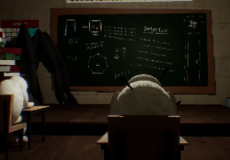

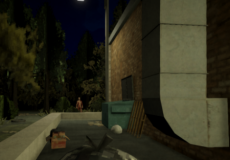







Instead of offering a clear entry point, the player is introduced to a disrupted sector of the factory, and Poppy Playtime Chapter 6 builds its progression around restoring order within broken systems. The environment feels partially operational, with fragments of past activity still influencing how different areas behave. The story is not presented directly; it must be inferred through spatial changes, hidden details, and the condition of the surroundings.
The gameplay revolves around assembling a working sequence from disconnected elements. Players move between locations to activate mechanisms, reconnect pathways, and unlock sealed sections. Actions are often linked across distance, meaning a change in one room may affect access in another. This structure requires tracking multiple objectives and understanding how they interact over time rather than completing isolated tasks.
Spatial Design And Flow
The chapter uses a network-like layout where zones connect through alternative routes. Players are encouraged to revisit areas after triggering new conditions, transforming familiar spaces into active parts of progression. Navigation depends on recognizing patterns in the environment and identifying which elements have changed since the last visit.
Puzzle Integration And Timing
Puzzles rely on coordination between movement and interaction. Some sequences must be completed within a limited window, while others depend on maintaining a chain of active systems. The player must plan routes carefully to avoid resetting progress. This creates a consistent balance between observation, memory, and execution.
Key Features
- Network-based level design with interconnected zones
- Actions that influence distant areas
- Time-sensitive puzzle sequences
- Environmental changes that alter navigation
- Progression based on linking multiple systems
Compared to earlier entries, this chapter reduces guidance and increases the role of independent problem-solving. Unlike many similar games, it limits continuous interruptions and instead builds tension through system complexity and incomplete information.
The overall experience is shaped by gradual reconstruction of both the environment and the events behind it, with progress depending on how effectively the player connects scattered elements into a coherent sequence.
Discuss Poppy Playtime Chapter 6
